

Part-time and variable-hour employees are more likely to lack employer-provided benefits than other workers. Voluntary benefits let employers provide benefits to these workers at no cost. In October 2014, more than 7 million U.S. workers worked part-time due to “financial reasons.” Although they’d prefer to work full-time, these individuals work only part-time due to slack...
Read more
Why Offer Employees Group Life Insurance ?

Today, 57 percent of all workers in private industry have access to employer-provided life insurance. An employee’s status makes a big difference, though—72 percent of full-time workers have access to life benefits, while only 13 percent of part-timers do. If You Offer It, They Will Take It Employees appreciate the value of group life insurance,...
Read more
How to Give Employees More Buying Power

If early season trends continue, Americans could spend more this holiday season than they have in several years. Employee purchasing plans can help employees avoid a post-holiday financial hangover. Earlier this fall, experts predicted that holiday season retail spending could increase more than 4 percent over 2013’s figures. Unfortunately, that holiday cheer can often result...
Read more
Crowd Management Safety
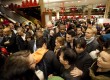
In 2008, a retail worker died from being trampled during a holiday sale event. OSHA has sent letters to major retailers to remind employers about the potential hazards of large crowds at retail stores during the holiday season. It is encouraging retailers to use the safety guidelines, Crowd Management Safety Guidelines for Retailers, available on...
Read more
Retrospective Rating Plans

Retro rating plans have been around for years. How do they work, and do they make sense for your company’s workers’ comp program? With retrospective rating plans (retros), the final workers’ comp premium paid for the policy year is calculated retroactively, based on the actual losses incurred during the year. The retro is actually an...
Read more
The Risks of Sitting

So much for office work being safe. In today’s office, many workers can spend more than half of their work day sitting…and scientists are finding that sitting for prolonged periods of time increases health risks. It makes sense that working at a desk job increases the risk of being overweight, due to low activity levels...
Read more
Do Christmas bonuses get taxed?

At year end, many employers like to reward their employees. What you do could affect your taxation and that of your employees. Here are a few basics to keep in mind. Cash bonuses Rewarding high achievers can help retain them and raise the bar on other employees. Employers can deduct amounts they pay as employee...
Read more
Ebola in the Workplace

As this issue went to press, only a few confirmed cases of Ebola existed in the U.S. What happens if it spreads? At this point, the U.S. Centers for Disease Control seems confident in the ability of the country’s health system to contain and prevent the spread of the disease here. Health insurers, which would...
Read more
Can Association Plans Survive The Affordable Care Act?

Legitimate association plans can help smaller businesses get quality coverage. [/caption]The Affordable Care Act did away with association health plans. Or did it? Can Association Plans Survive The Affordable Care Act after all? Some small employers have relied on association health plans (AHPs) to buy employee health insurance, rather than buying a small group plan....
Read more
Gun Rights vs Employer Property Rights

The debate over gun rights often pits the individual’s right to bear arms and the rights of private property owners, such as employers, to prohibit firearms on their premises. The Second Amendment is one of the most widely disputed provisions of the Bill of Rights. Two opposing interpretations dominate the debate: one that the amendment...
Read more
- « Previous Page
- 1
- …
- 12
- 13
- 14
- 15
- 16
- …
- 22
- Next Page »